Chamber of Agribusiness Ghana (CAG) has cautioned the government on the expected rise in food prices from the first quarter of 2022 out of global fertilizer increment.
This was found in a statement signed by the CEO of the Chamber of Agribusiness Ghana (CAG) Mr. Anthony Selorm K. Morrison on Monday, November 22, 2021.
The statement said, “Fertilizer is currently in short supply, especially fertilizers of the synthetic variety, primarily due to the soaring gas prices. Soaring natural gas prices have forced the closure of two large UK fertilizer plants, sparking warnings of a looming shortage of ammonium nitrate that could hit food supplies as record energy prices start to reverberate through the global economy. At those rates, it is costing fertilizer manufacturers a lot more to produce, and they cannot purchase natural gas at the current price to produce and make a profit”.
It added that the leading producer of fertilizer Yara has said that, prices of fertilizer have increased everywhere even Nitrogen fertilizer, phosphate fertilizer, and potassium fertilizer have increased which is going to influence the rise in food production in the country as Ghana is the net importer of fertilizer.
According to the producer of Yara, “It has to do with increases in raw materials, particularly, natural gas. In the US, cold weather across the south put a massive strain on the available supply of natural gas, a critical component involved in the creation of two widely used synthetic fertilizers-ammonia and urea.”
The chamber added that countries like China and Russia have lowered their export especially China has restricted the export of phosphate which is the main ingredient of commercial fertilizer in 2022. For Russia, they will allow 5.9 million tons (Mt) of nitrogen fertilizer and 5.35 Mt of fertilizers to be exported in the next 6 months.
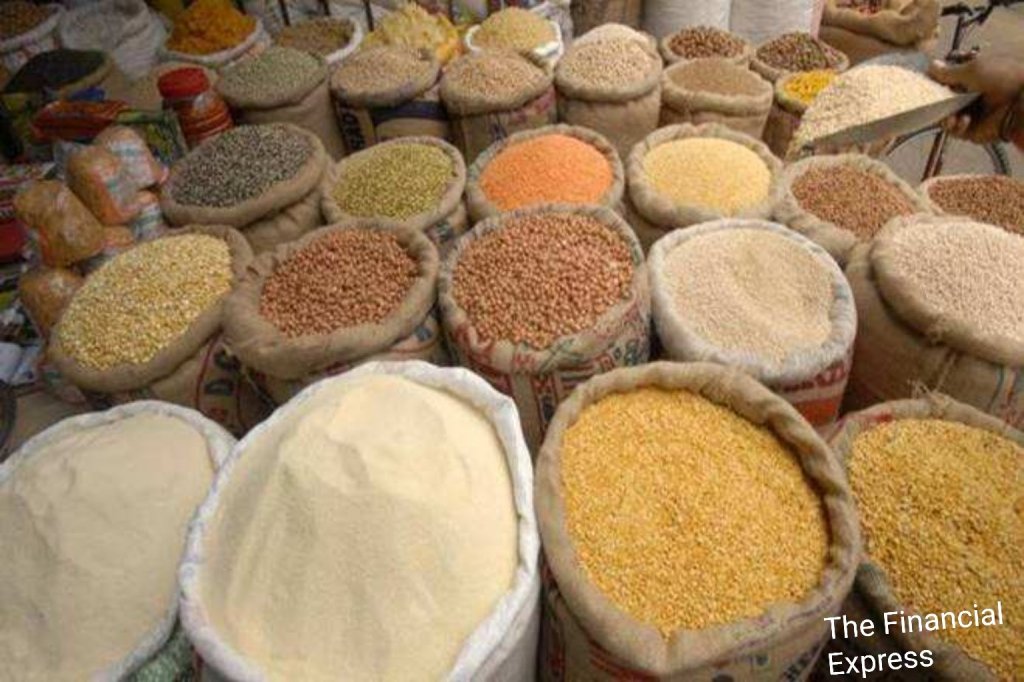
It also said that food prices particularly grains and cereals will be going up from the first quarter of 2022 up to the second quarter of 2023. This product will rise to 30 and 45 percent which will highly increase in the urban areas in the same period.
“Crops yields for 2022 season are expected to remain stable or decline relative to 2021. The high cost of fertilizer will likely ration fertilizer use or reduce the area cultivated by commercial and smallholder farmers. Total production, especially grains and cereals are likely to miss projected growth in the 2022 season,” The statement added.
The chamber is urging the government especially the Ministry of Food and Agriculture (MoFA) and Ministry of Trade and Industry (MoTI) to help promote the procurement of fertilizer and agrochemicals for 2022 and 2023.
It is also asking the government to assist and encourage the use of organic fertilizer in the country and also to take the necessary steps to begin synthetic fertilizer production in Ghana.

 Site Title