Author Archives: Maameyha
I'm a student of the Ghana Institute of Journalism (GIJ). I would like to be a journalist in the next coming years. I like to listen to music a lot and always learning new skills. I always make good use of any opportunity that comes my way.

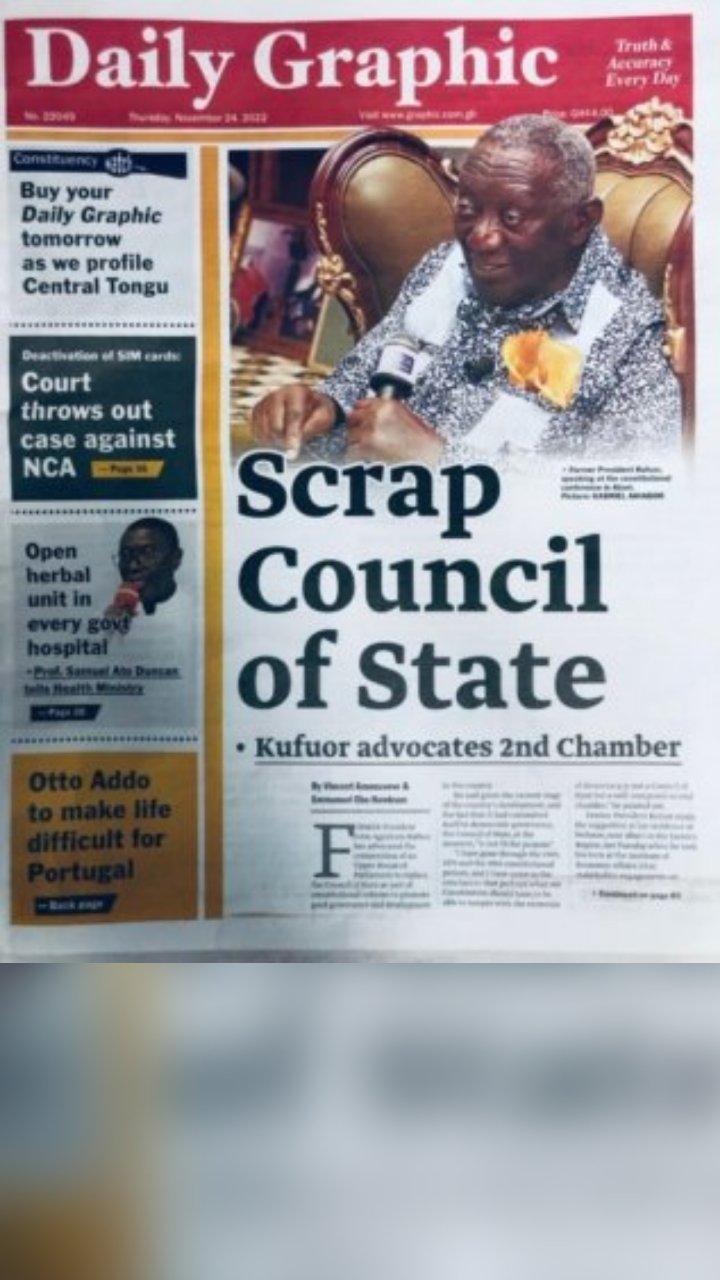
SIM Registration Shift to 31st July
Story By: Addo Oforiwa Abigail. Student Journalist
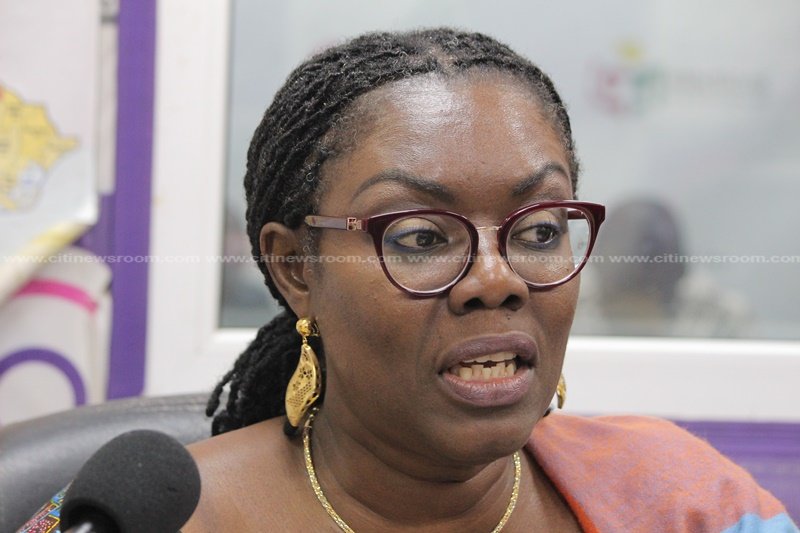
The minister for communications and Digitalisation, Hon. Ursula Owusu-Ekuful on Tuesday, March 22, 2022, issued a press statement to extend the deadline for the Subscriber Identification Module (SIM) from March 31 to July 31, 2022.
The statement made it clear that as of 17 March 2022, about 14,091,542 SIM cards had been linked to the Ghana card whereas 10,348,532 had been captured using the biometric and 99,445 new SIMs registered.
Again, over 7.5 million Ghanaians have not received their Ghana Card to enable them to register their SIM hence the extension of the deadline for a smooth registration exercise and credible database.
The minister again said this extension will provide more time to update the SIM Registration App for the diplomats and a Self-Service SIM Registration App that will enable Ghanaians staying abroad to get the opportunity to register their SIMs successfully.
The ministry is commending all Ghanaians and foreign residents in Ghana for their consent in ensuring that, through this exercise, they will be able to develop and build a credible SIM database with integrity that will help deal with cyber frauds and facilitate secure SIM card based transactions as part of their effort to digitally transform the economy.
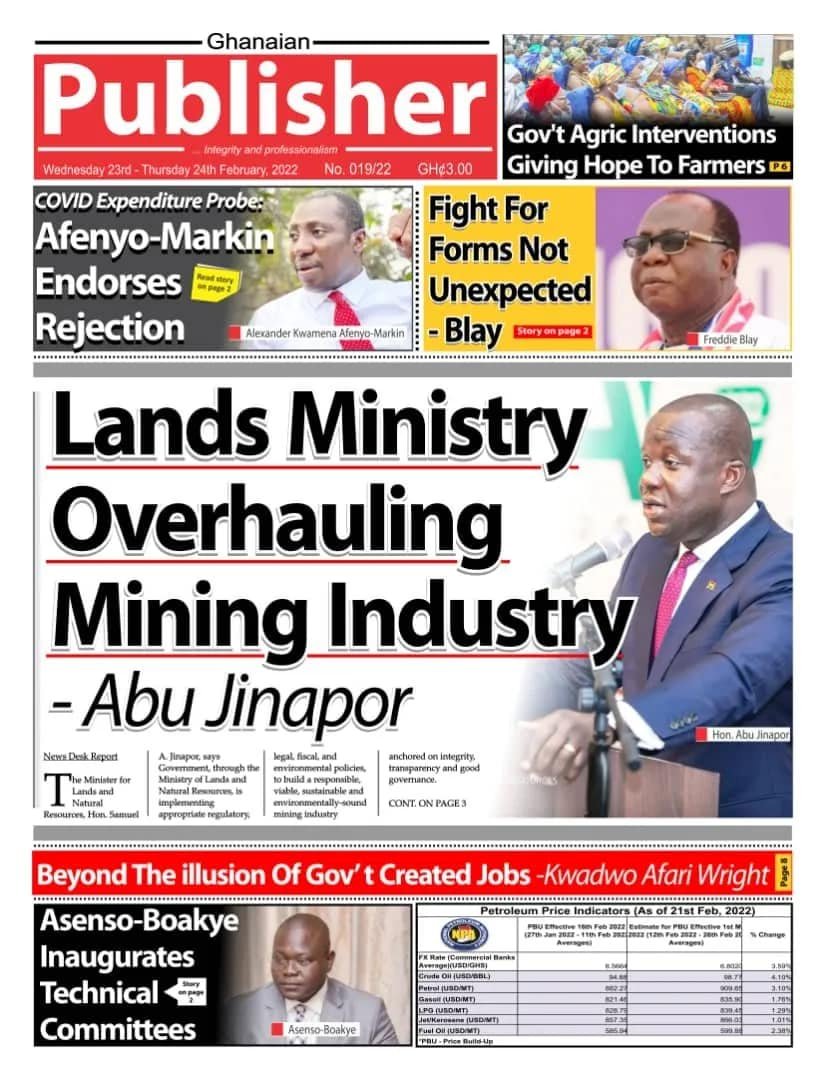
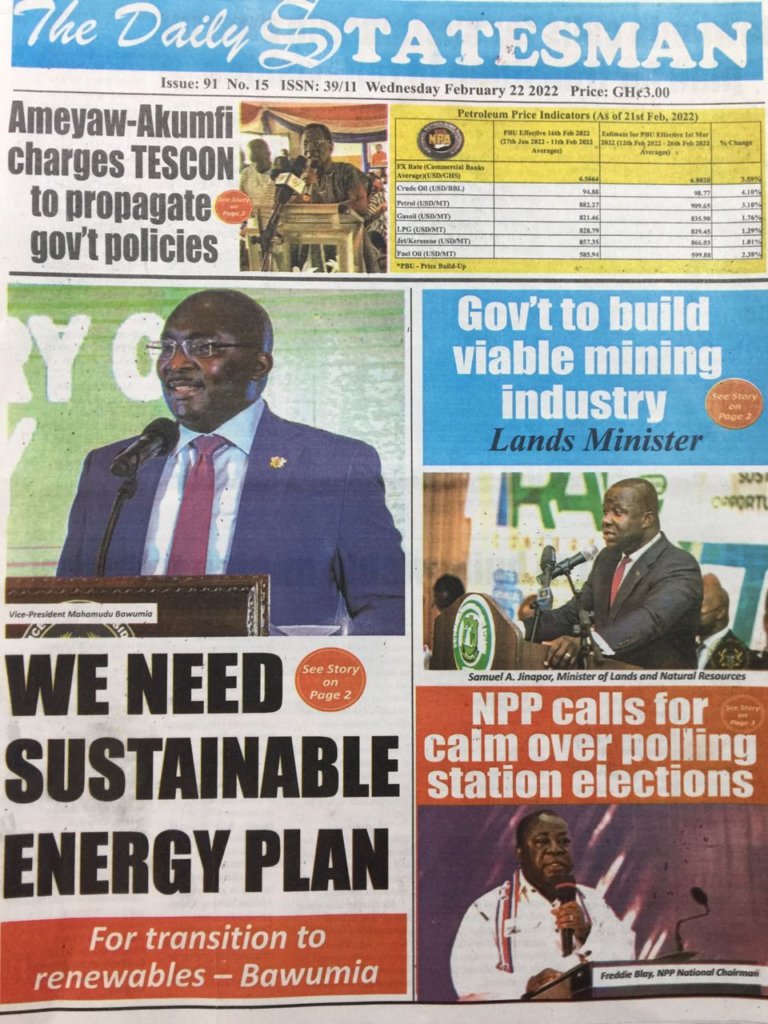
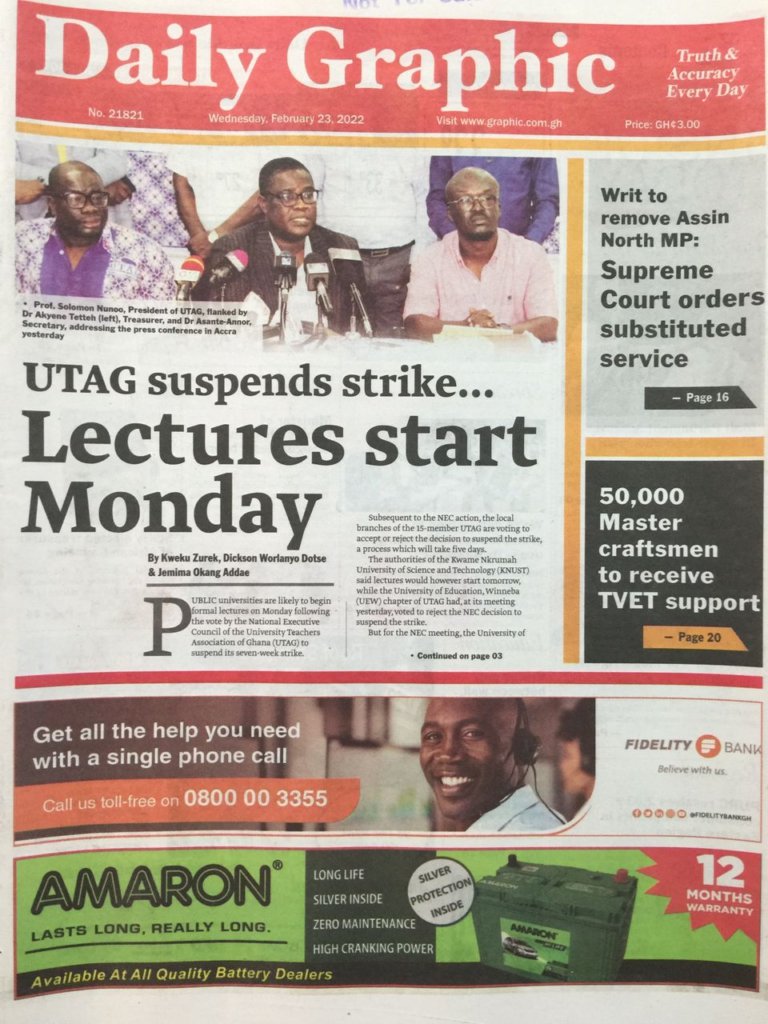
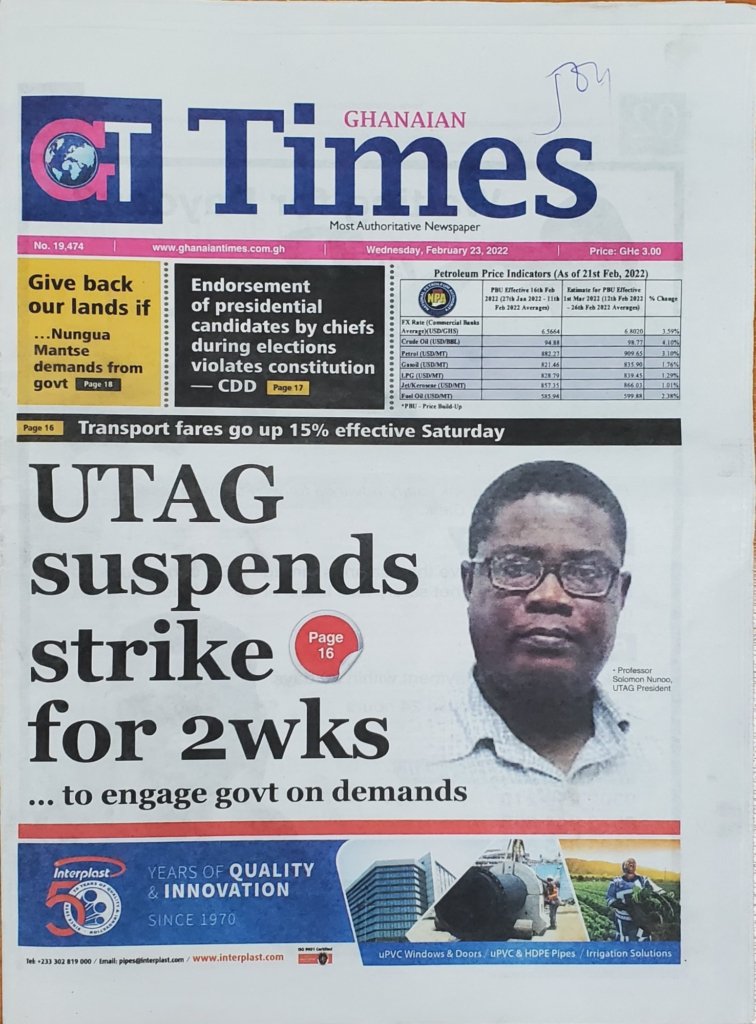
All Nation’s Newspaper Headlines


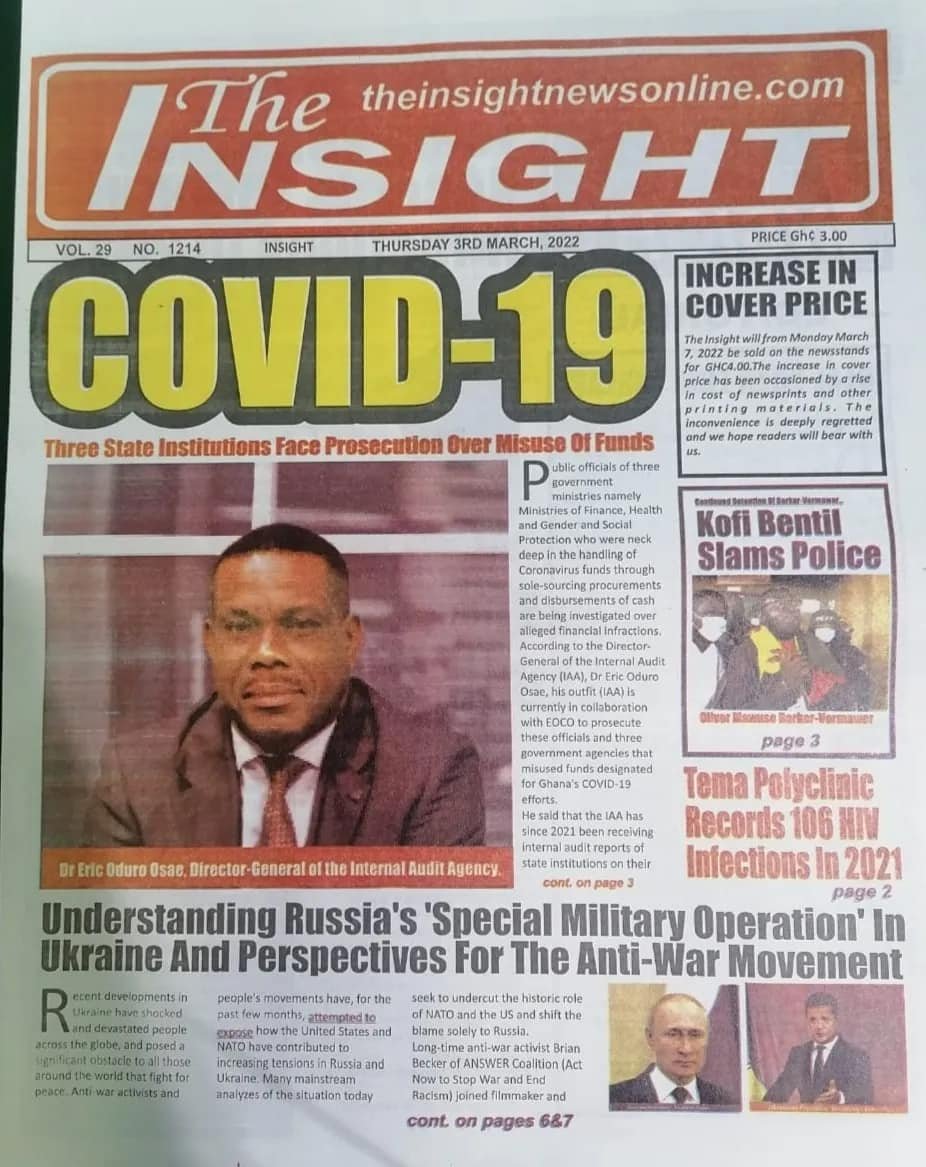

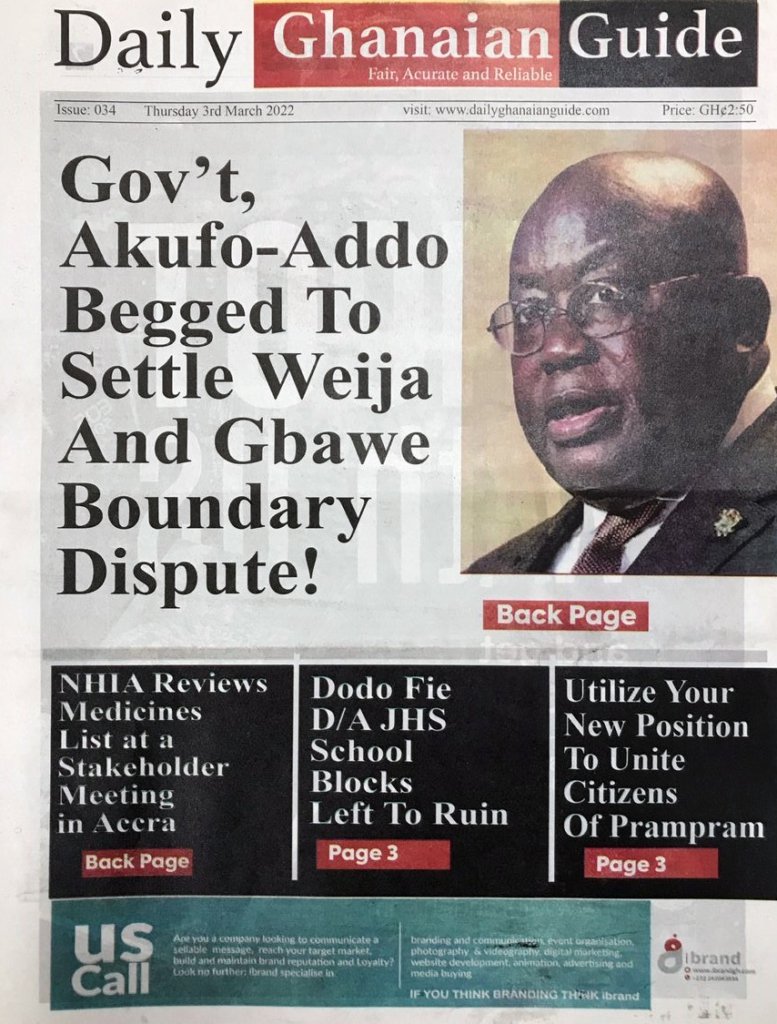
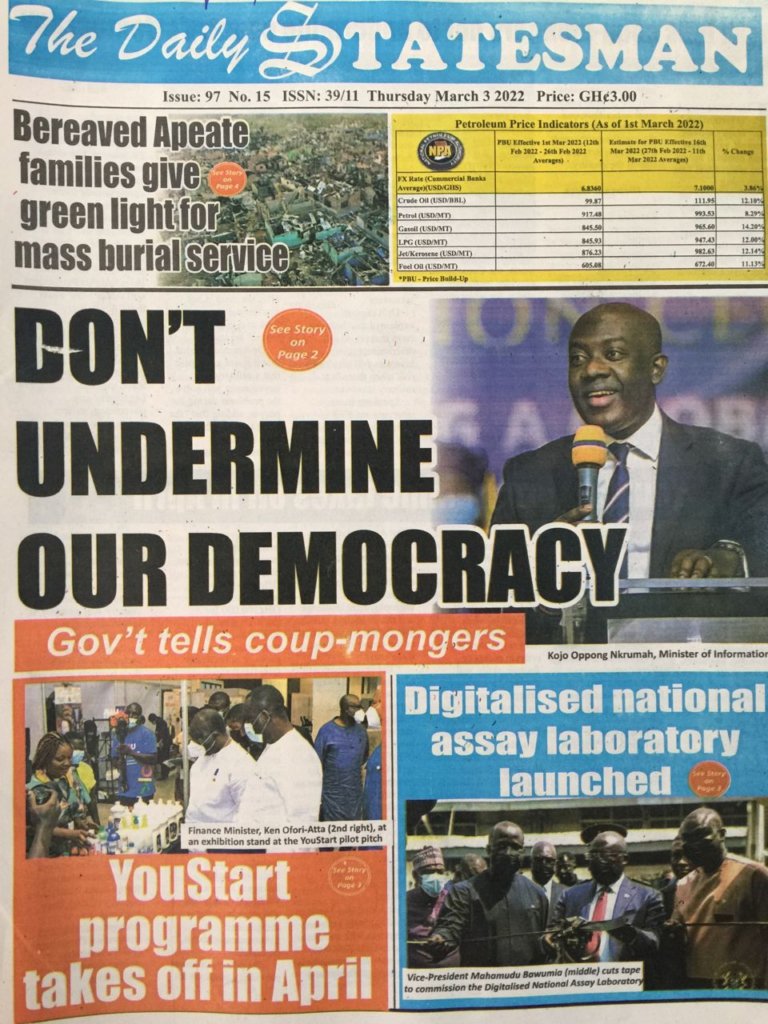




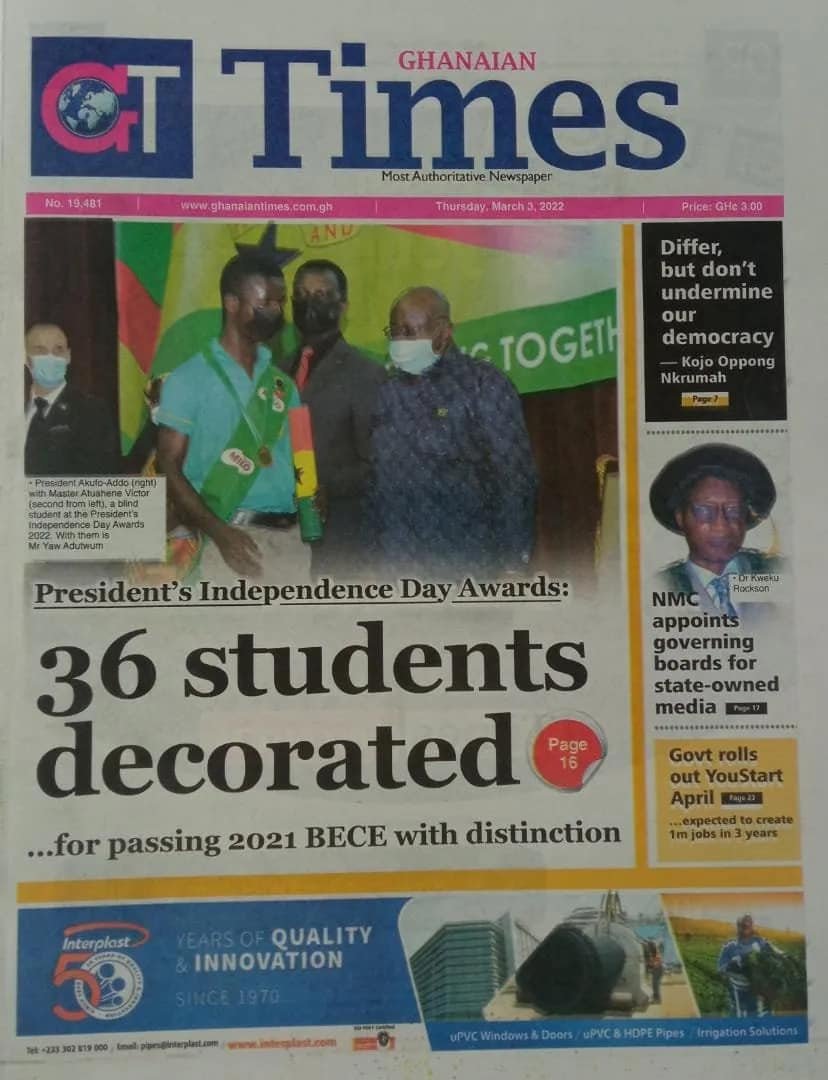
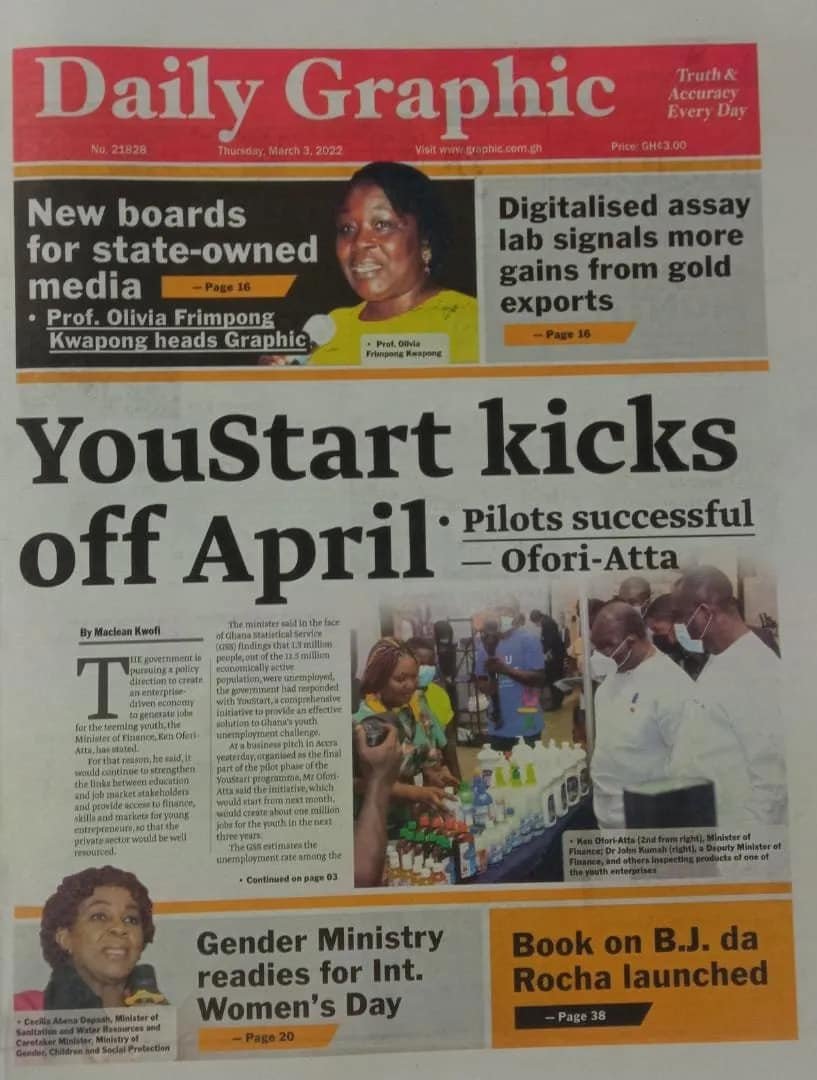


All Nations’ Newspaper







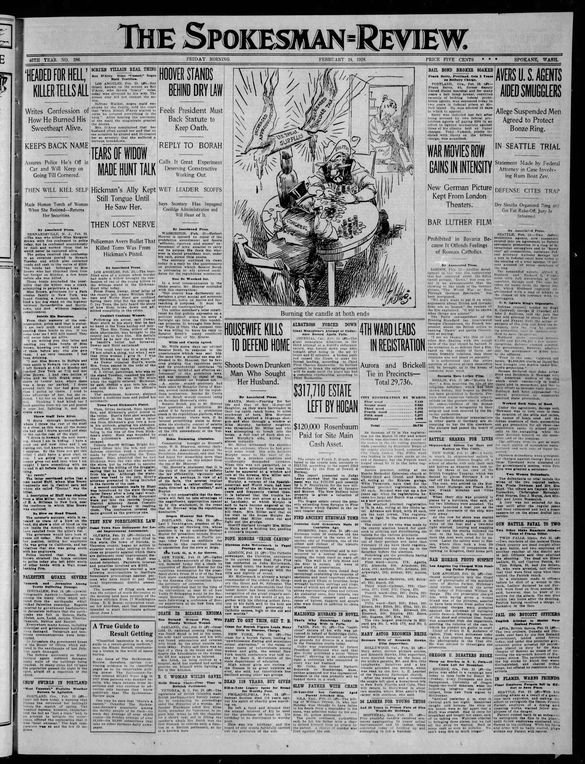





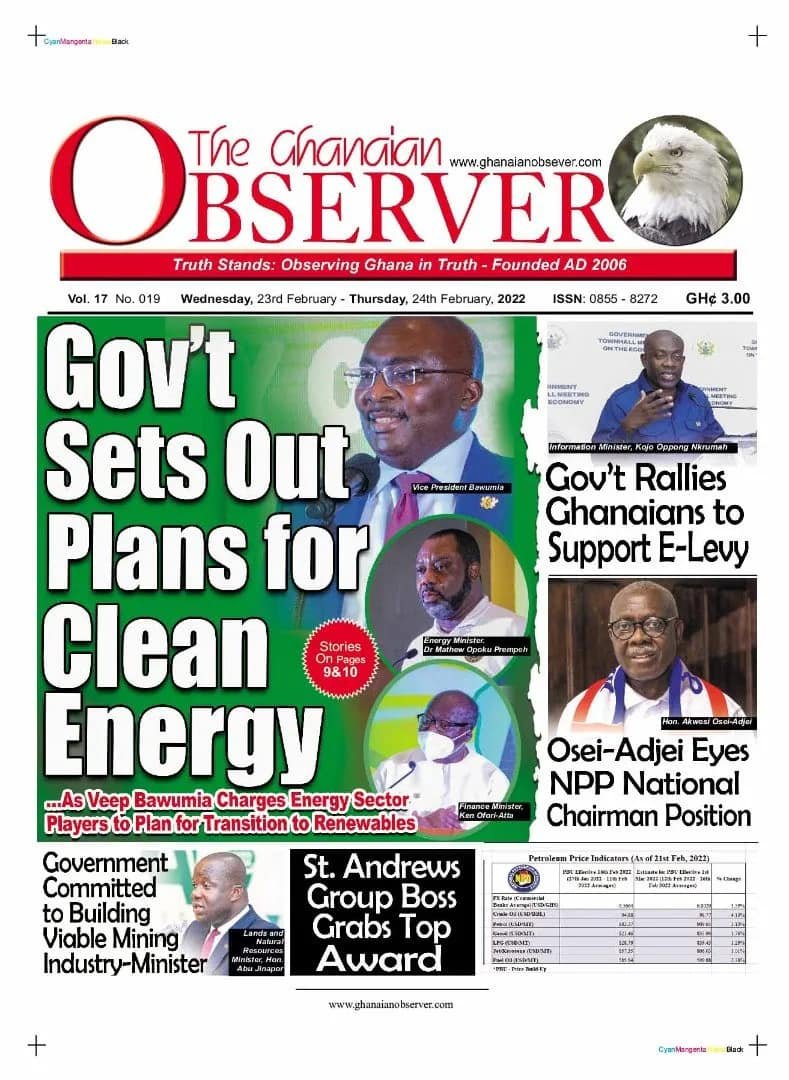
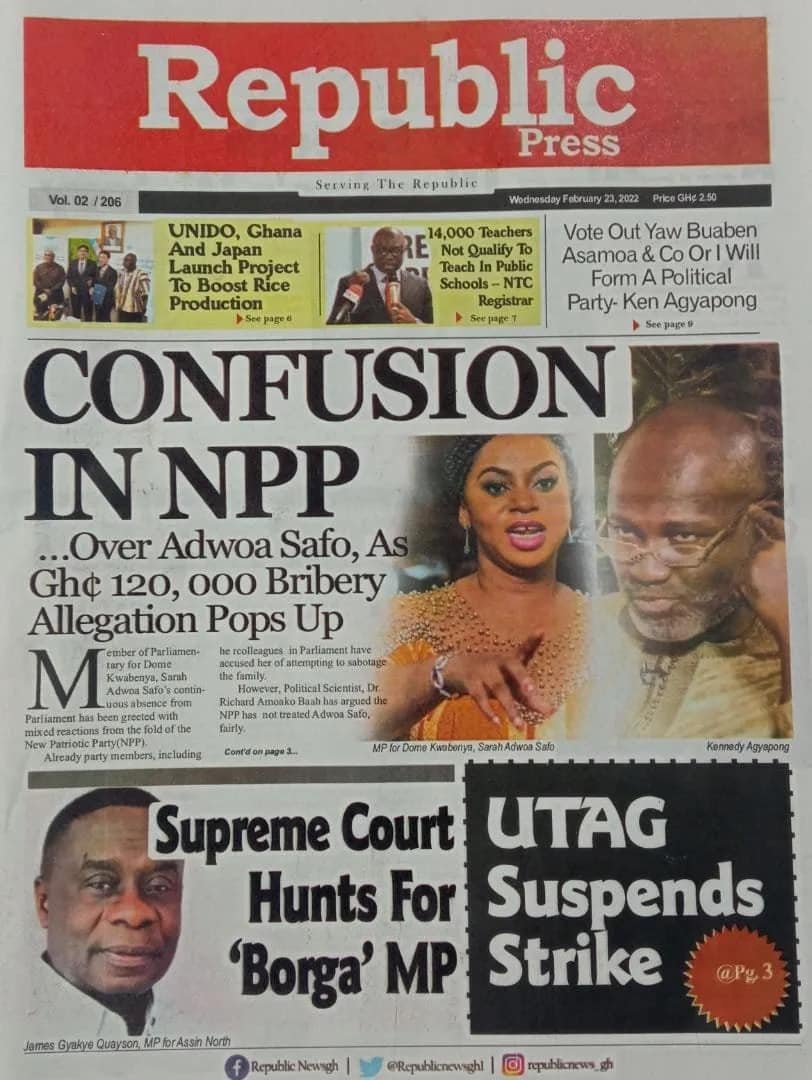



Newspaper Headlines

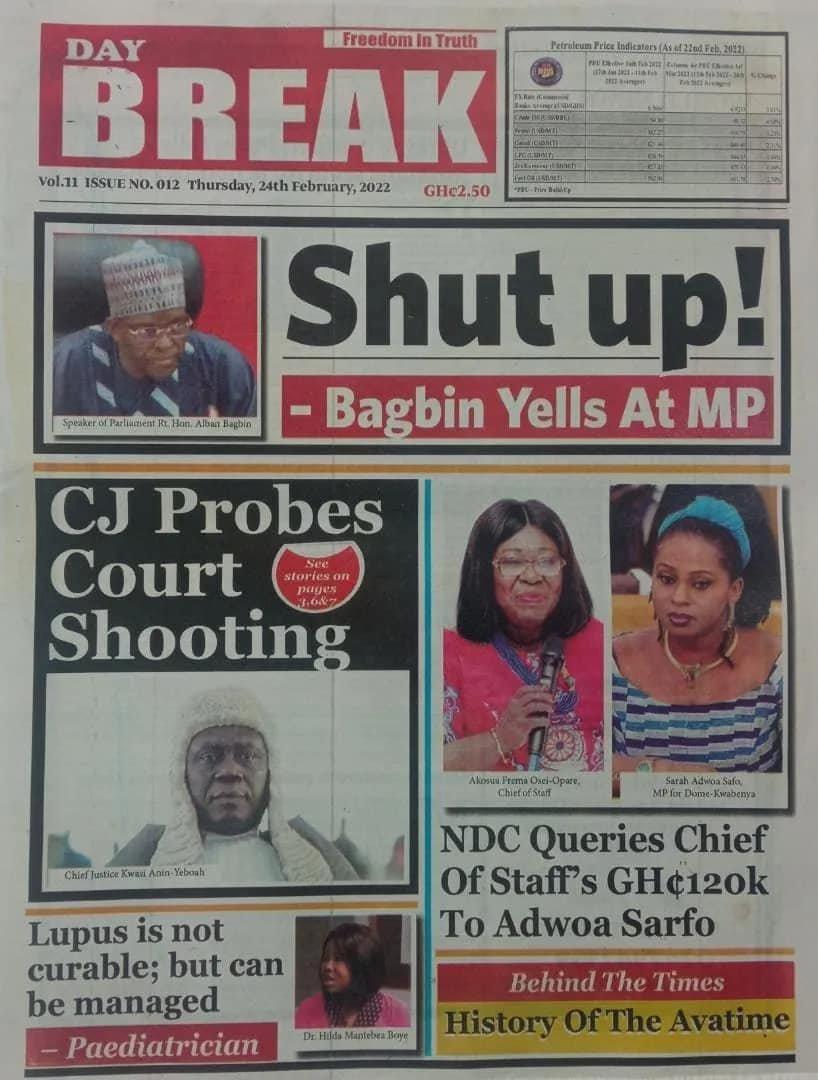

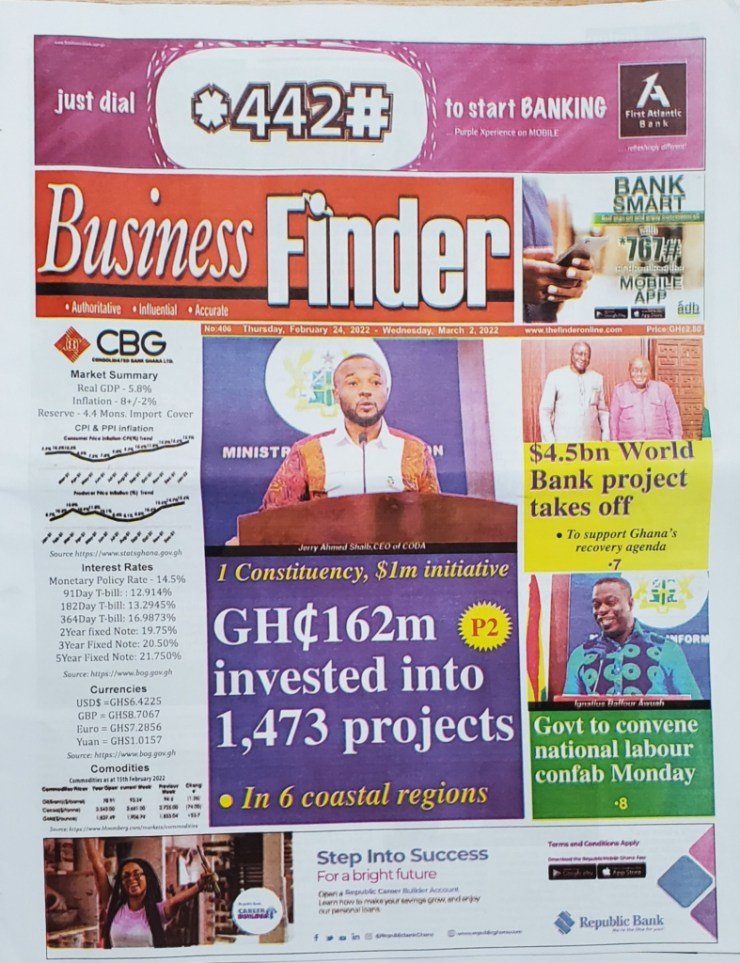

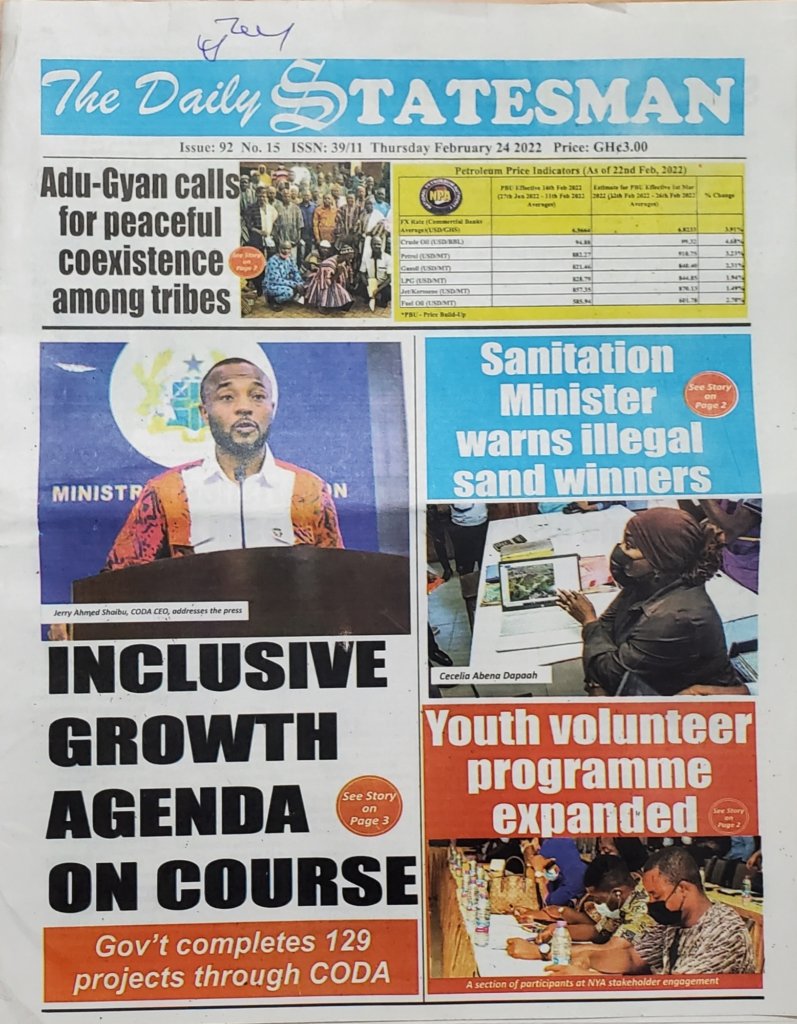



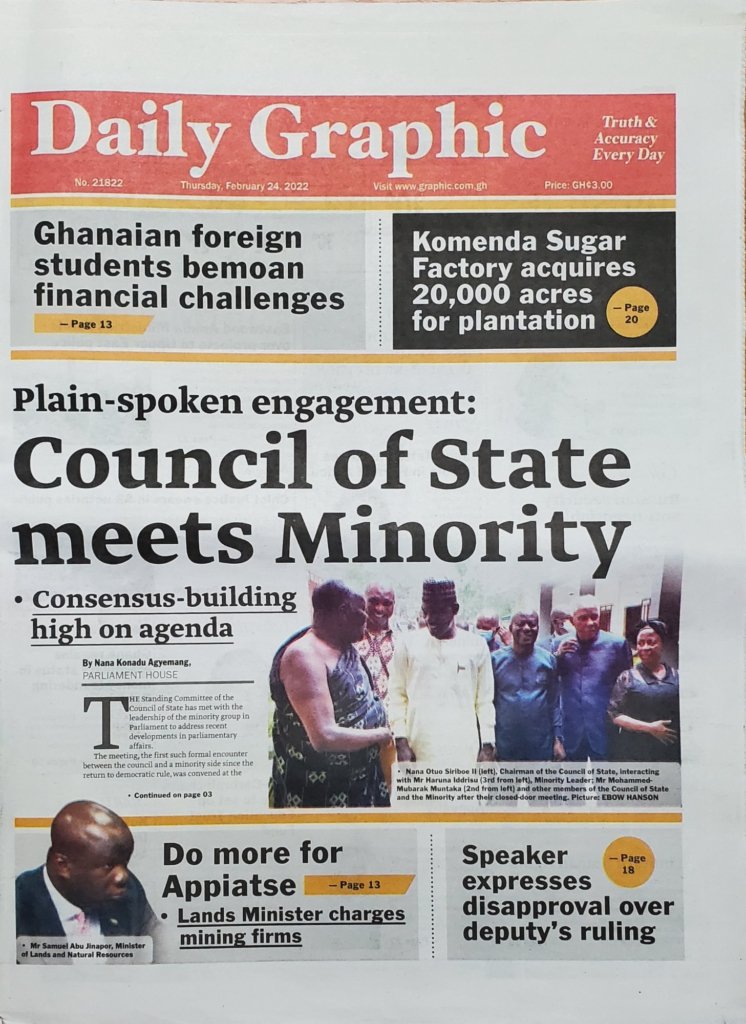

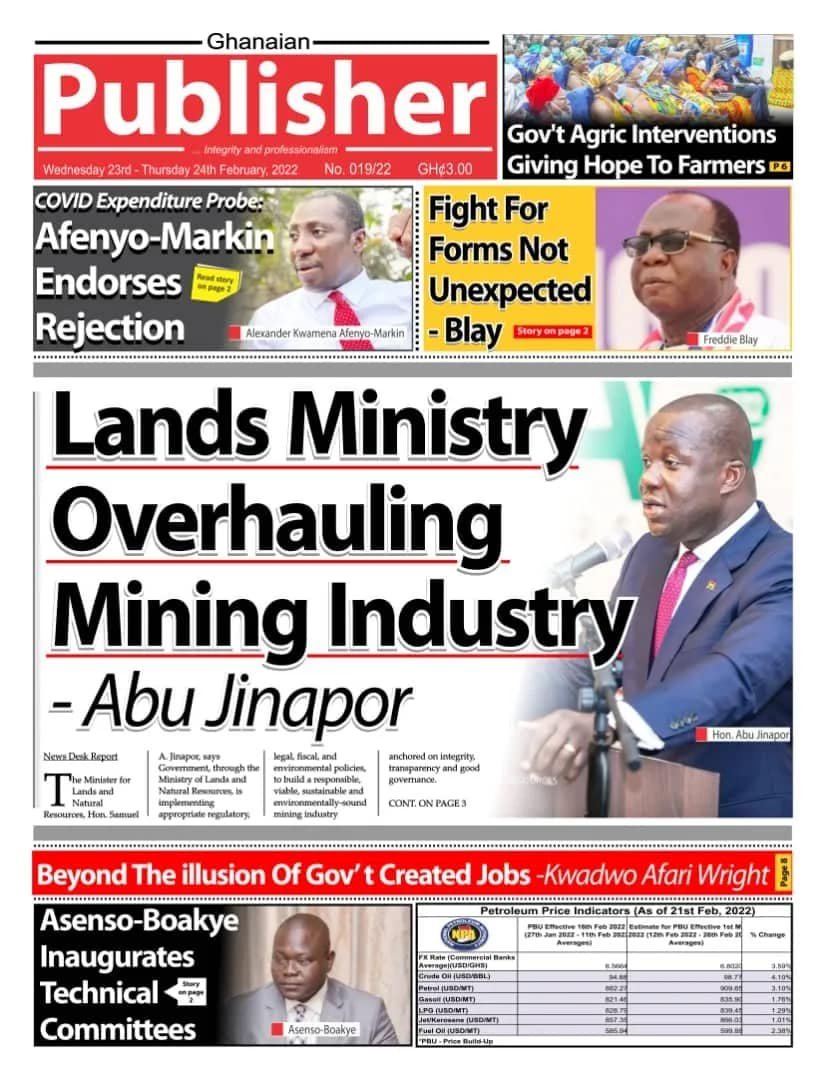
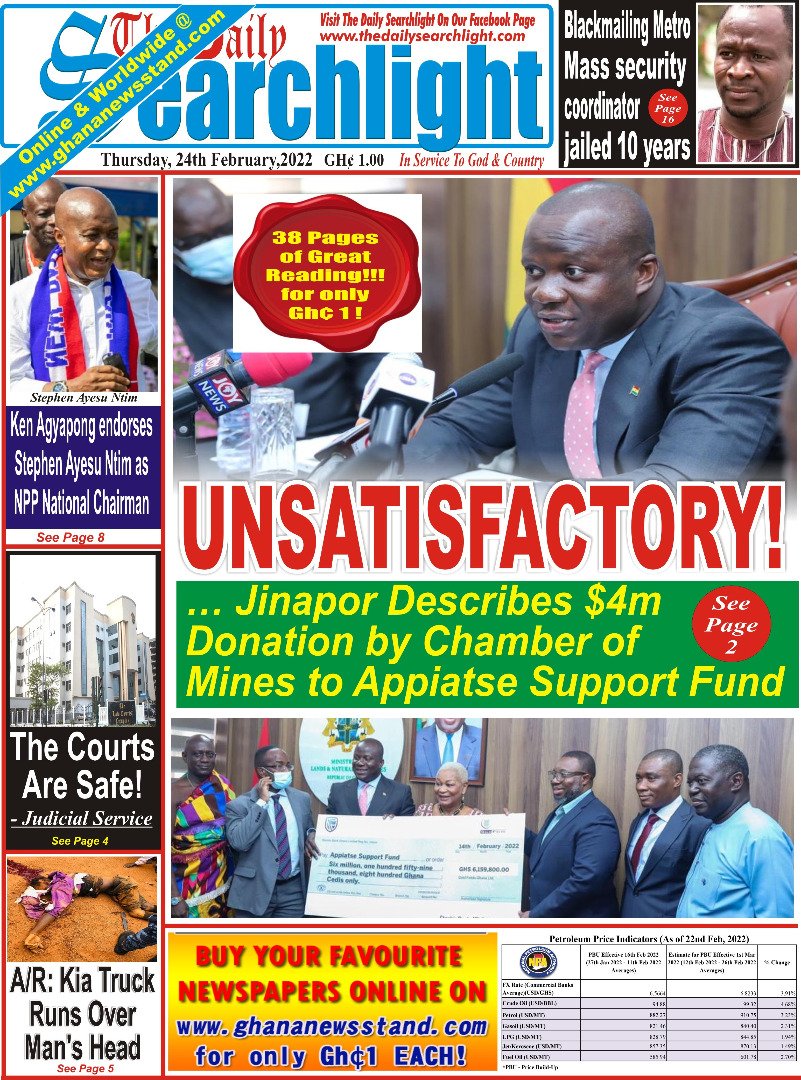
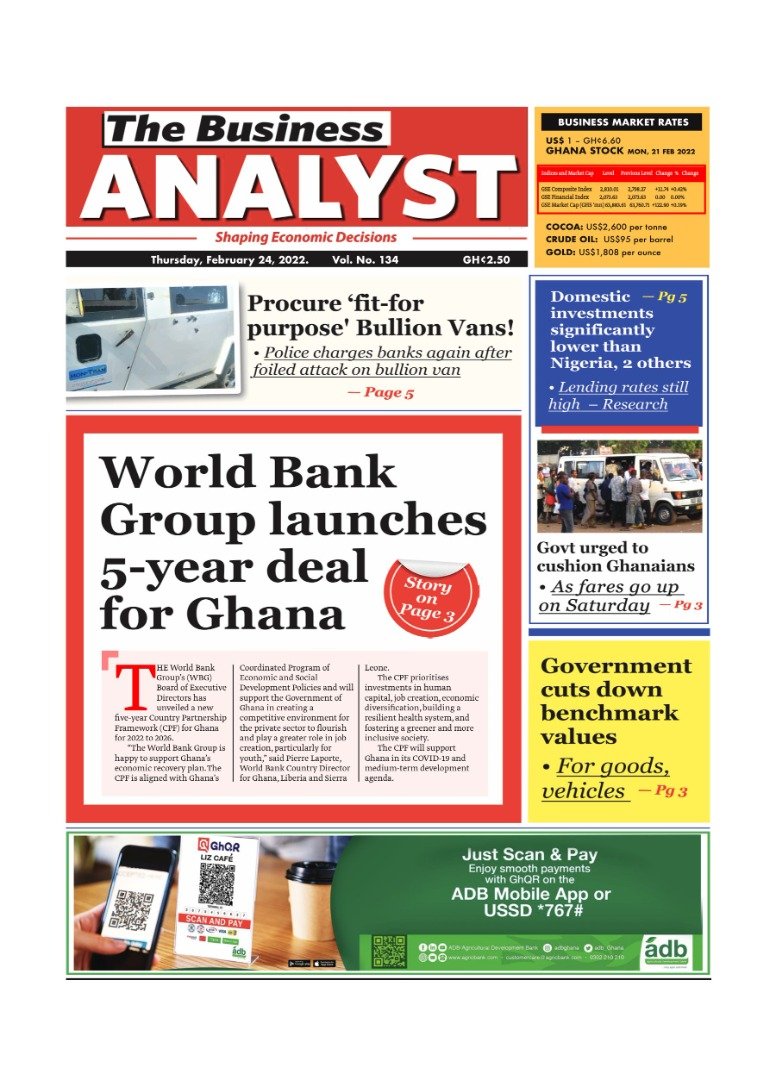

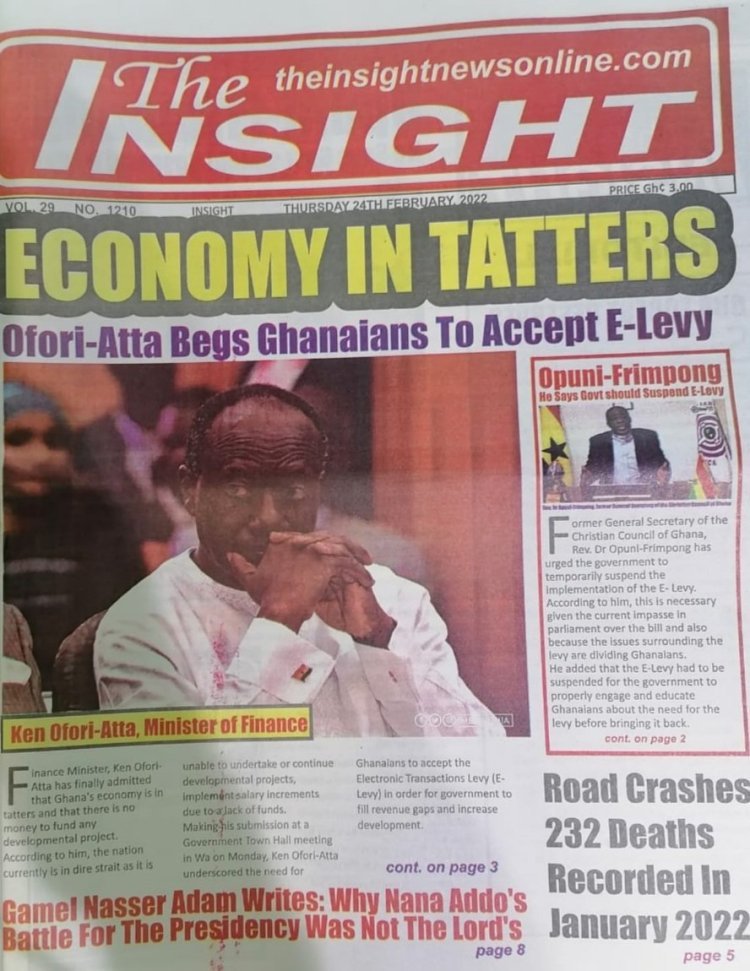
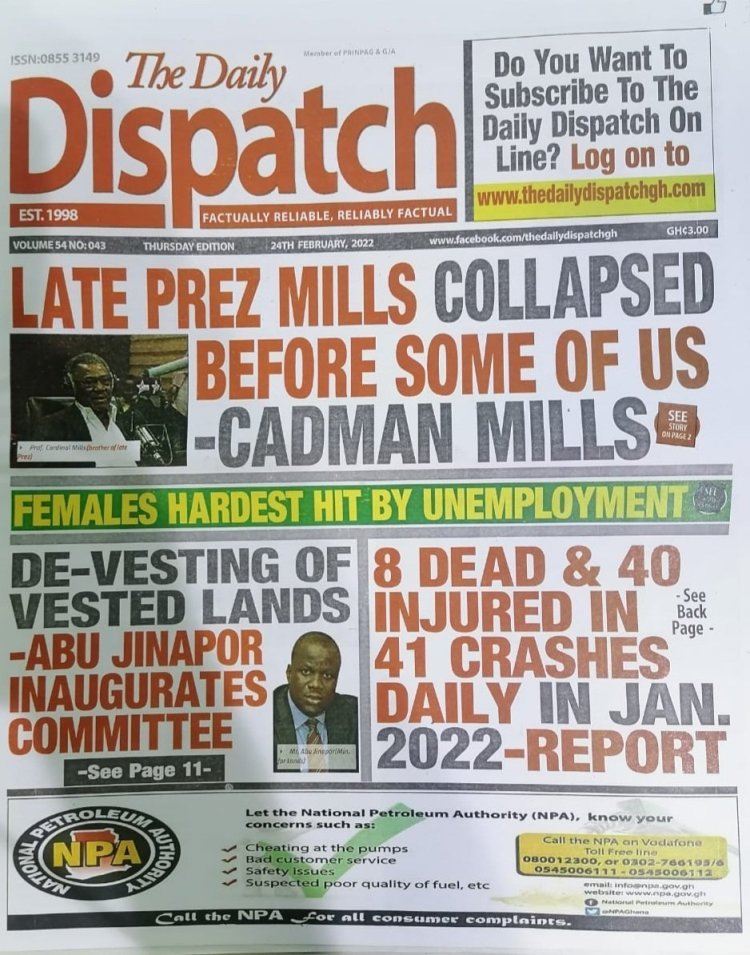
All Nations’ Newspaper

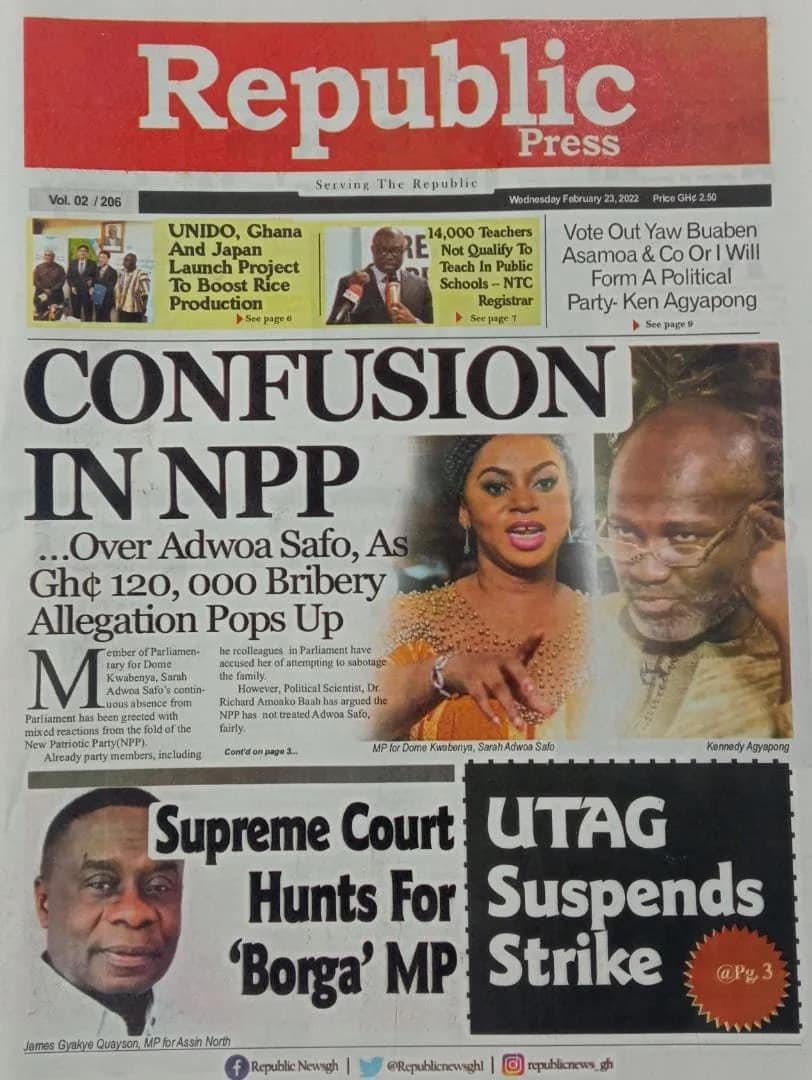
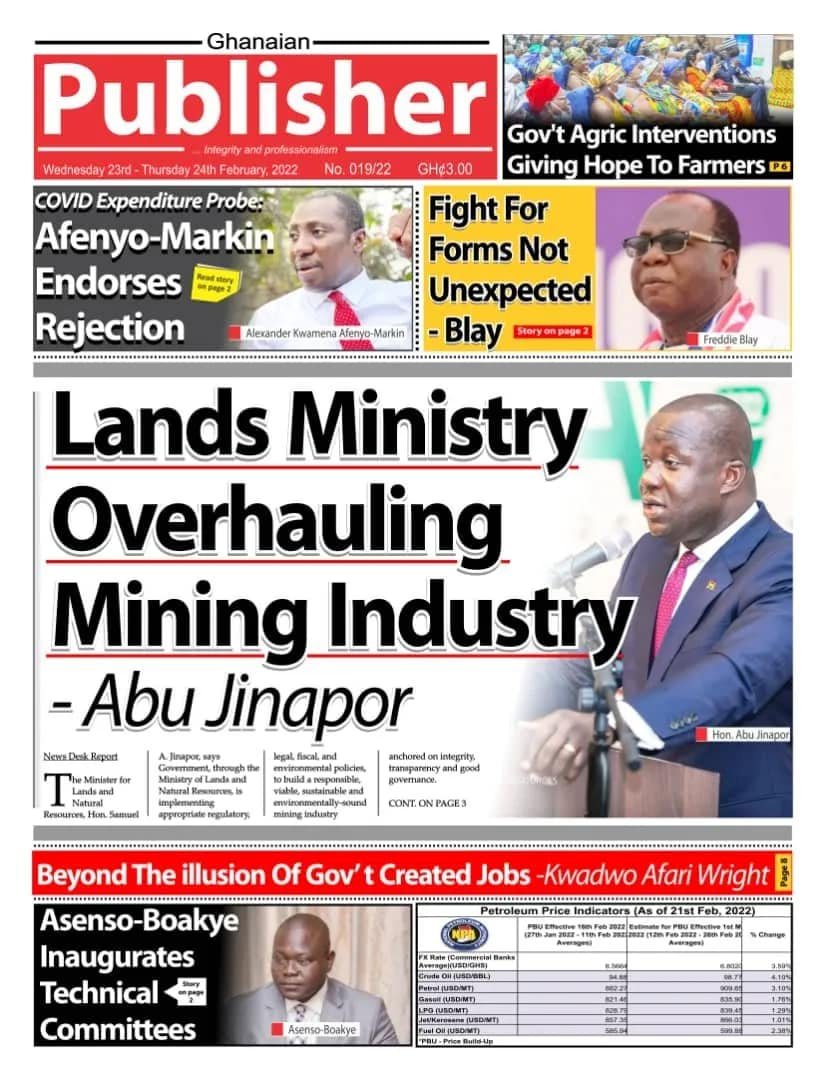
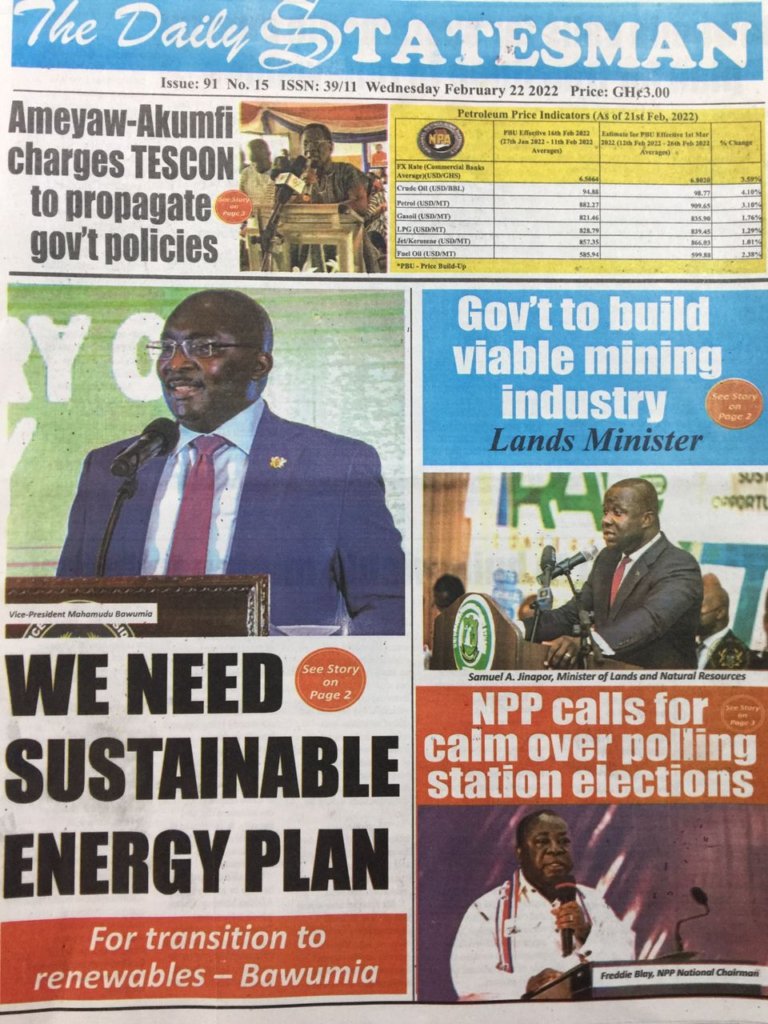



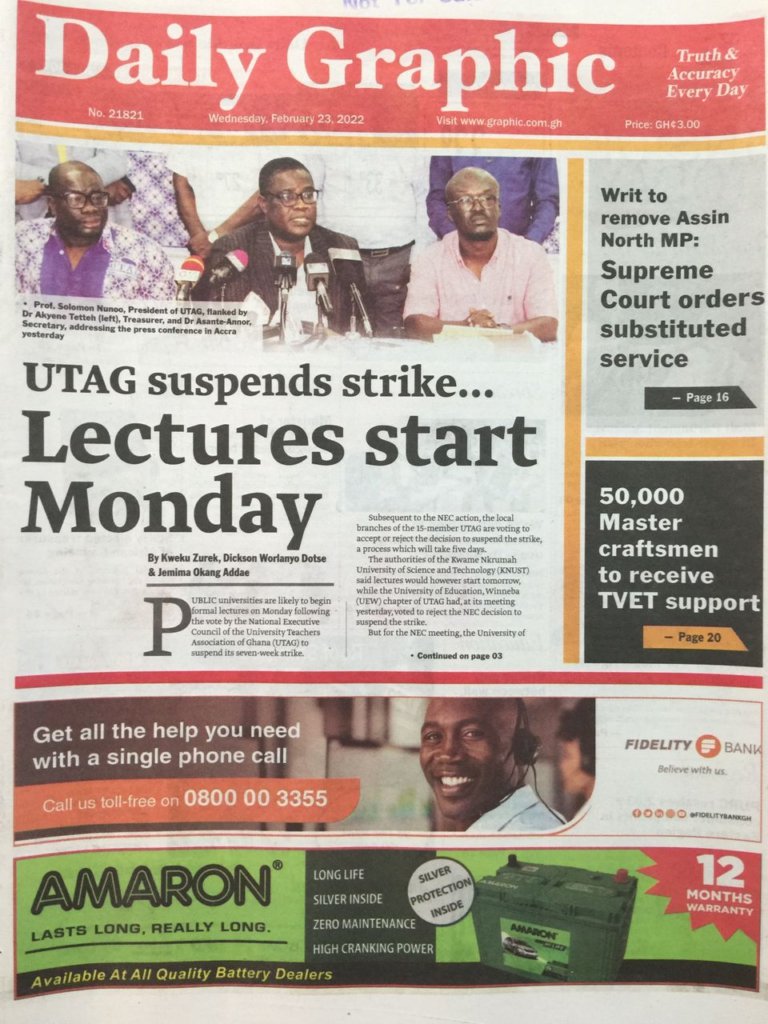
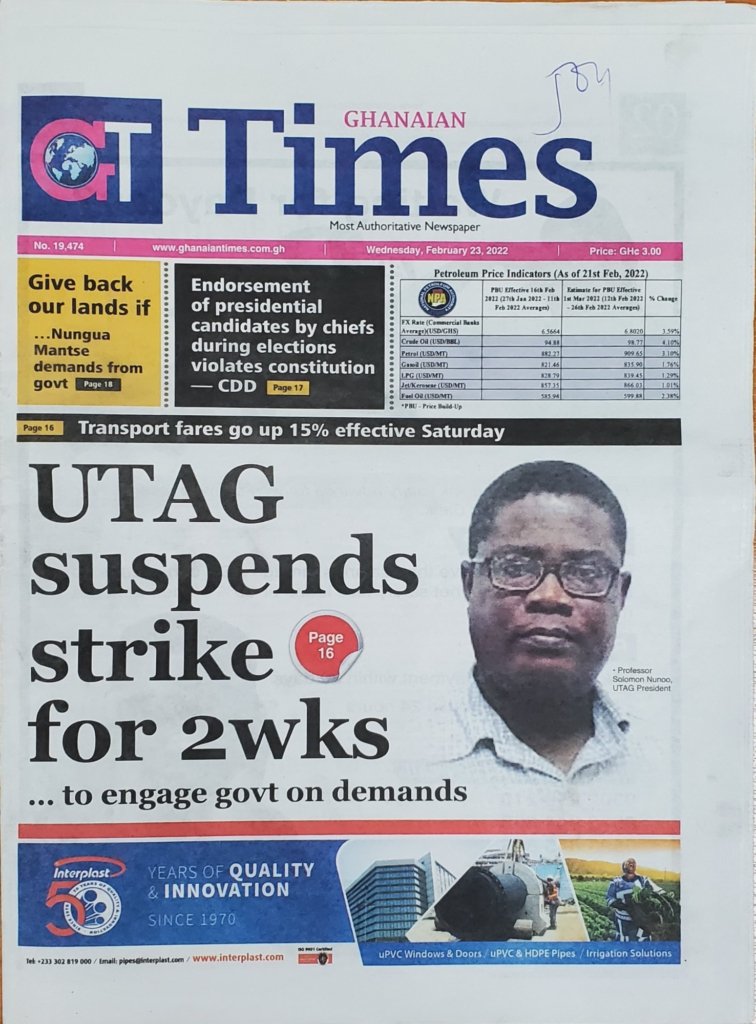

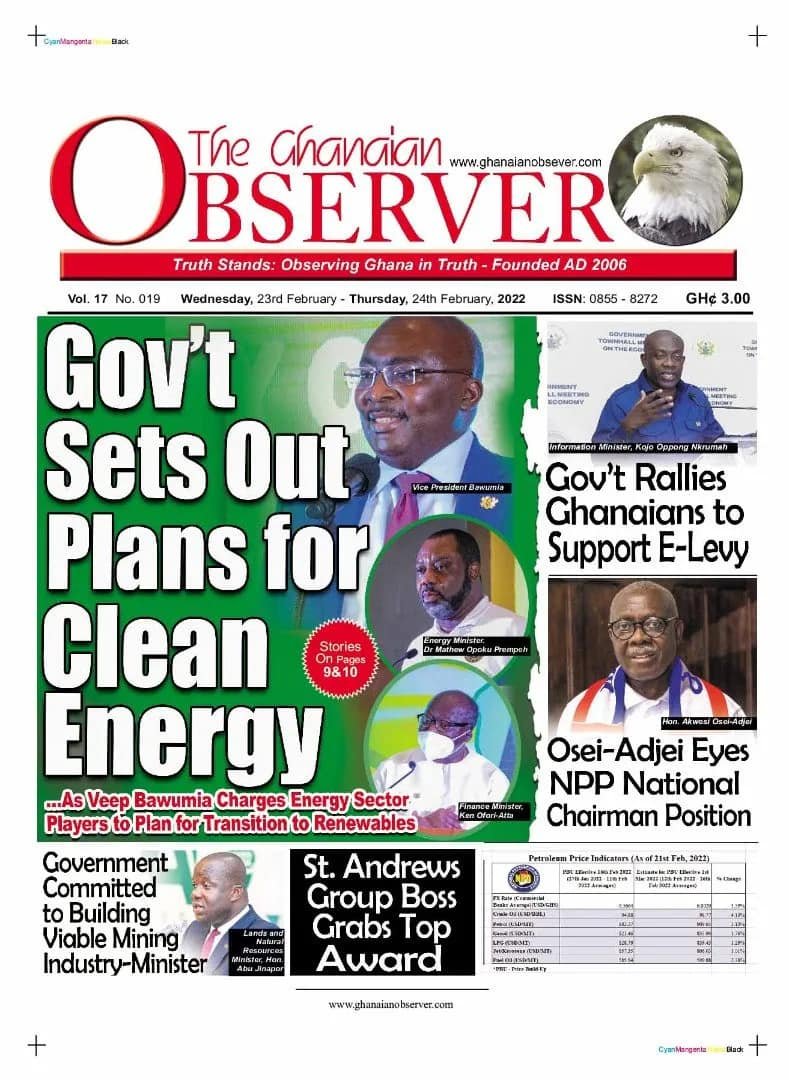

ALL NATIONS NEWSPAPER



Bui Power Authority to Support NPG
CEO of Bui Power Authority (BPA), Hon. Samuel Kofi Dzamesi on Tuesday, November 30, 2021, at electro volta conference hall said BPA is ready to support Nuclear Power Ghana Ltd (NPG) to establish the first Nuclear power plant in Ghana. Mr. Kofi Dzamesi voiced this during a media workshop under the theme, “Ghana steps in Nuclear Future”.
Mr Samuel Kofi Dzamesi, Chief Executive Officer (CEO) of the Bui Power Authority and chairman of the workshop, in a statement read on his behalf by the Deputy CEO, Ing. Anthony Osafo Kissi said Bui power Power Authority is committed to the development of renewable and clean energy resources to argument the Country’s power generation sources.
According to him, since the establishment of Bui power in 2007, they were ready to construct renewable and clean energy resources to intensify the country’s power generation sources.
He disclosed that, 404MW Hydropower Peaking Plant at Bui Generating Station (BGS), 50MWp (out of 250MWp) Land-based Solar Park at BGS, 1.0MWp (out of 5MWp) Floating Solar PV Pack at BGS, and 45kW Mini Hydro Plant on the Tsatsadu Falls at Alavanyo Abehenease in the Volta Region are some of the power generation plants Ghana is currently running.
“Bui Power Authority is a major shareholder of Nuclear Power Ghana Ltd (Owner Operator of the 1st proposed Nuclear plant in Ghana) to provide reliable and affordable baseload power to support the integration of large-scale intermittent Renewable Energy sources from solar and wind power. So far, there is no evidence on the dependence on only
intermittent renewable sources though sustainable, having supported industrialization without first having adequate baseload power from hydro, coal, natural gas or nuclear.” Hon. Samuel Kofi Dzamesi added.
Hon. Samuel Dzamesi revealed that, there are a lot of resources in this country which need cheap baseload electricity to support their work. Iron ore, Bauxite, Gold, Diamond, Manganese and other minerals under the earth. Food and cash crops like maize, rice, cocoa, timber, rubber among others are some beneficial resources Ghana have.
He demonstrated that, “Nuclear is clean and emits no carbon dioxide unlike coal and other thermal power plants. We need cheap source of power for value chain addition.
Worldwide, developed and industrialized countries have relied on cheap electric power from Hydro, Coal, Nuclear and Natural Gas for reliable electricity to support their industrialization. Ghana has depended on Akosombo Hydro as baseload for its industrialization. However, as demand increased, Ghana had to diversify to include oil based generation which is expensive and cannot support industries.”
His statistics shows that, in 2000 and 2020, the consumption of electricity by industrial sectors which becomesthe country’s backbone led to insignificant rise in power due to the high cost of electricity from the oil based thermal power plants.
VALCO is presently working with only 2- pot line on an affordable electricity generationas baseload power to assist value chain addition to the sufficient natural resources. Aside the use of hydropwer, natural gas becomes the most endurable fuel supply and can produce easy power in the country.
“Indeed, significant progress has been made to transition the oil-based power generating plants to run on Natural Gas.
Experts estimate that the Natural Gas production from the available reserves in Ghana are expected to decline in the next decade or so unless new gas reserves are discovered,” He lauded.
He is calling on government and all agencies of energy to come together since ensuring reliable and affordable baseload is needed for Ghana’s industries has become a great concern.
One challenge when it comes to developing nuclear powerr is that, it takes time because it has to pass through the International Atomic Energy Agency (IAEA) since their regulatory procedures are difficult but you need to ensure safety of the power plant.
Manager of Public Affairs for Nuclear Power Ghana, Ms. Bellona- Gerard Vittor- Quao discovered that, nuclear power plant which is to be built by NPG and it’s stakeholders will fetch new jobs, provide education, give contracts to local industries, grow the economy and improve upon the life of the people of Ghana.
She stretched that, NPG cannot do it alone therefore government and all stakeholders must support this project.
“We need a concerted effort between government, industry, and civil society and you our media to put in place what is needed to build Ghana’s first Nuclear Power Plant, accelerate industrial development with a sustainable, reliable, and affordable source of electricity. Together with you, the media, we can reach this new society with clean, fair, and abundant energy for everybody.
Again, NPG is keen on establishing a steady and well-bonded relationship with its stakeholders through the media as a special purpose vehicle to reach all corners of the country for effective involvement and engagement,” She pointed out.
Nuclear Power: Over 1000 People Can Benefit
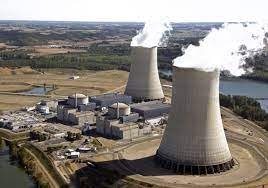
Director for Nuclear Power Institute and Ghana Atomic Energy Commission (GAEC) has declared that, in building Nuclear Power Plant in Ghana, over 1000 people can be employed.
Mr. Debrah said this during a workshop that was organized for the media at the electro volta house conference hall in Accra. This engagement with the media under the theme, “Ghana Steps into Nuclear Future” was to educate the media on how they can assist Nuclear Power Ghana to achieve their aim of constructing a Nuclear Power Plant in Ghana.
He revealed that, “When it comes to nuclear power plant, we need about 1000 people to generate it. Just the nuclear power plant building or the reactor alone not talking about any other thing.”
According to him, Ghana has a lot of resources which when utilized well into finished goods can help them to achieve their aim of building a nuclear power plant in the country to develop.”
“We have iron ore but we rather mine the ore and then export without processing. When you mine an iron ore as at last month, the price for a kilogram of the ore is 0.1225 dollars. Processing ore into carbon steel per kilogram is 1.892 dollars. When you want to process it further into coal is 2.178 dollars owner kilogram. When you turn it into stainless steel is 4.048 dollars per kilogram.”
For him when nuclear power is established in the country, it must transform the country and must suppose to be a transmitter for every company in the country. Adding said, nuclear is a utility led with a vendor contract. Six countries have shown interest in giving technology to NPG since it is not just any power plant Nuclear power Ghana wants to build.
Mr. Debrah noted that: “Vendor is needed for this project. So far Ghana has approached six vendors for the last five months. Russia, China, India, South Korea, France, and we are yet to approach the next country. When it comes to reactors which are about 300megawatt and 700 megawatts is called a large power plant whilst the small molar power plant are between 60-300 megawatts. USA, China, Argentina, Russia, South Korea are some of the countries that have the technology.”
According to the director, NPG do not want to look at any power but a nuclear power plant that can make a positive economic impact on the society and the country at large. In building a big nuclear power plant it takes about six years which do not come out to be easy.
Again, the nuclear power plant project will bring a positive economic impact, industrialisation impact and some financial backings, technology transfer, risk mitigation, and bring quality and none power applications that look at license operators, mechanical systems, instrumentation control maintenance as well as mechanical engineers due to its high capital cost venture and also have impact on the local expertees.
The Director revealed that nuclear can obtain hydrogen as a waste product. Hydrogen can be used as a means for some of the cars that are used by individuals. Cars that use petrol can be converted into hydrogen cars because of their strength.
Mr. Debrah comparing the country to South Korea in terms of development said,
“The GDP of South Korea per capita is 31,000 dollars. As at 1958, South Kirea GDP per capita was 82 dollars whilst Ghana’s GDP per capita was above 100 dollars. In 1964, they indentified their site for a nuclear power plant and in 1965 they mounted their first meteo power at a prepared site. In 2008, 20 nuclear power were in operation in South Korea. South Korea is one of the countries that took the technology to improve their society. They produce almost all the reactor vessels in the world but we started with them”.
He urged everybody in the energy sector to help in this project NPG wants to fulfill to bring development in the country as well as generating work for the country.
Anas Aremeyaw to receive an award by NABJ
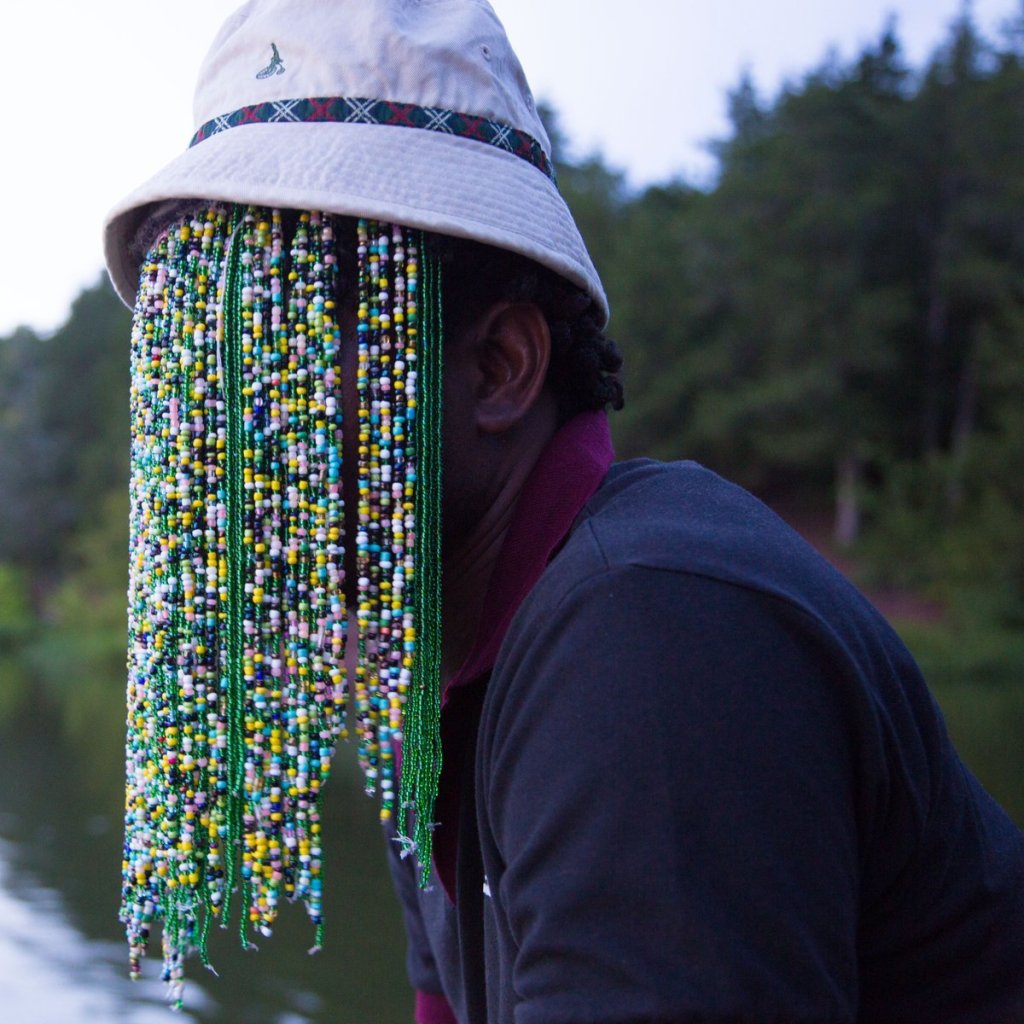
One Ghanaian undercover journalist with the name Anas Aremeyaw Anas on December 4, 2021, will be recognized by the National Association of Black Journalists (NABJ) as 2022 NABJ Percy Qobaza Foreign Journalist of the year recipient.
This was found in a statement signed by the President of NABJ, Dorothy Tucker on October 1, 2021, planned to be virtual which will take place in the United States of America (USA).
A politically non-aligned multimedia journalist who works in print media and documentaries, Anas concentrates on cases of human rights and anti-corruption in Ghana and sub-Saharan Africa. Anas has won multiple awards for journalism and advocating against slavery, and his investigative works have won him worldwide attention.
Some of his notable investigative works include number 12, Ghana in the eyes of God, Torture home, and many other works.
In 2015, Anas’s investigation into the judiciary of the Republic of Ghana resulted in the removal from office of workers from the third arm of government including 13 high court judges, 20 lower court judges, and 19 Judicial Service court registrars and interpreters. Over 100 judicial service staff in total were investigated, after being caught on camera taking gifts from undercover Tiger Eye PI investigators to influence court judgments.
One of his works that yielded results was the number 12 that occurred on May 6, 2018. This exposé affected almost the entire football leadership in Ghana, and the President of Ghana broke down the Ghana Football Association. The then Ghana Football Association president, Kwesi Nyantakyi, who was also an executive member of Fifa, was filmed by Anas accepting a bribe and was compelled to withdraw.
The National Association of Black Journalists (NABJ) was founded on December 12, 1975, by 44 men and women during a historic meeting in Washington, D.C. The founders represent various news platforms and disciplines from across the U.S. As an organization of journalists, students, and media-related professionals, NABJ was created to provide quality programs and services. The membership elects a President every two years and the National Board of Directors to govern NABJ therefore an executive director leads the National Office staff.
The event is organized by the NABJ in honor of legendary black journalists who with their hard work have earned outstanding contributions toward the industry with the Percy Qoboza Foreign Journalist of the Year Award.
The award was named after one great black South African journalist, author, and outspoken critic of the government in South Africa, Percy Peter Tshidiso Qoboza.
“There will be more details on that ceremony in the coming weeks. There
will be no need for you to travel for acceptance of the award. Our producers will be contacting you with details on a possible virtual acceptance speech. If needed, we’ll also provide technical assistance during the virtual awards ceremony,” the statement added.
 Site Title